
99% Pure Peptides For sale In USA, Custom Peptides, Peptides, Peptides for sale, Premium Peptides for sale, Research Peptides for sale, Wholesale Peptides for sale
How to Store Lyophilized Peptides Properly for Long-Term Stability
May
How to Store Lyophilized Peptides Properly for Long-Term Stability
Lyophilized peptides are widely used in scientific and research environments because of their excellent stability and long shelf life when stored correctly. However, improper storage conditions can quickly reduce peptide purity, damage molecular integrity, and affect research reliability. Understanding how to store lyophilized peptides properly for long-term stability is essential for laboratories, research facilities, and wholesale peptide buyers looking to maintain high-quality results.
At Liaocheng Yixin Trading Co., Ltd., we supply high-purity research peptides manufactured under strict quality control standards to ensure maximum stability during shipping and storage worldwide.
What Are Lyophilized Peptides?
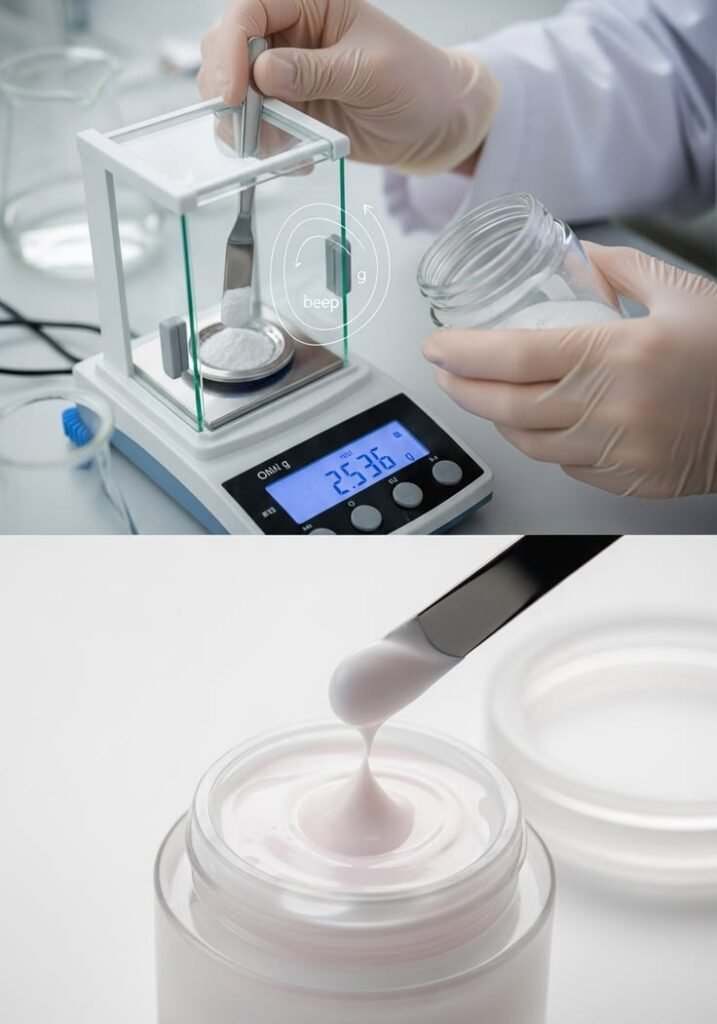
Lyophilized peptides are freeze-dried peptide compounds processed to remove water while preserving molecular structure and purity. This freeze-drying method helps extend peptide shelf life and improves transportation safety for research purposes.
Because moisture is removed during the lyophilization process, peptides become significantly more stable than liquid formulations. However, exposure to heat, humidity, light, or repeated temperature changes can still cause degradation over time.
Why Proper Peptide Storage Matters
Proper storage conditions help preserve:
- Peptide purity
- Molecular stability
- Research consistency
- Shelf life
- Biological activity
Incorrect storage may result in:
- Oxidation
- Hydrolysis
- Contamination
- Reduced potency
- Loss of experimental reliability
High-purity research peptides should always be handled carefully from the moment they arrive at the laboratory.
Ideal Temperature for Storing Lyophilized Peptides
Short-Term Storage
For short-term storage lasting a few days or weeks:
- Store peptides between 2°C and 8°C
- Keep vials tightly sealed
- Avoid frequent exposure to room temperature
A laboratory refrigerator is usually sufficient for temporary storage.
Long-Term Storage
For long-term peptide stability:
- Store peptides at -20°C or lower
- Ultra-low temperatures around -80°C are ideal for sensitive peptides
- Keep products inside airtight containers
Low temperatures significantly reduce molecular degradation and preserve peptide integrity over extended periods.
Avoid Moisture Exposure
Moisture is one of the biggest threats to lyophilized peptides. Even small amounts of humidity can trigger peptide degradation.
To reduce moisture exposure:
- Always seal peptide vials immediately after use
- Use desiccants when necessary
- Limit time outside refrigeration
- Avoid opening vials in humid environments
Researchers handling peptides in tropical or humid regions should be especially cautious.
Protect Peptides From Light
Certain peptides are highly sensitive to UV light and prolonged exposure to direct lighting.
Best practices include:
- Store peptides in amber vials when possible
- Keep products inside dark storage containers
- Avoid direct sunlight exposure
Light protection helps maintain peptide stability and prevents chemical breakdown.
Prevent Repeated Freeze-Thaw Cycles
Repeated freeze-thaw cycles can damage peptide chains and reduce overall stability.
To avoid this issue:
- Divide peptides into smaller aliquots before freezing
- Only thaw the quantity needed for immediate use
- Do not repeatedly refreeze the same vial
Aliquoting is one of the most effective methods for preserving long-term peptide quality.
Proper Storage After Reconstitution
Once peptides are reconstituted with bacteriostatic water or sterile solutions, their stability changes significantly.
General recommendations include:
- Store reconstituted peptides at 2°C–8°C
- Use within recommended research timelines
- Avoid contamination during handling
- Keep solutions sterile
Always follow laboratory handling procedures when working with reconstituted peptides.
Signs That Peptides May Be Degraded
Researchers should regularly inspect peptides for signs of instability.
Common warning signs include:
- Color changes
- Cloudy solutions
- Unexpected particles
- Reduced research performance
- Unusual odor after reconstitution
If degradation is suspected, the peptide should not be used for sensitive research applications.
Choosing a Trusted Peptide Supplier Matters
Even proper storage cannot compensate for low-quality manufacturing. Purchasing from a trusted peptide supplier is critical for obtaining stable, research-grade products.
At Liaocheng Yixin Trading Co., Ltd., we provide:
- High-purity lyophilized peptides
- Strict quality control procedures
- Secure worldwide shipping
- Bulk and wholesale peptide supply
- Professional packaging for stability protection
Our peptides are manufactured and packaged to maintain maximum integrity during international transport and laboratory storage.
Best Practices Summary for Long-Term Peptide Stability
Here are the most important peptide storage tips:
| Storage Factor | Recommended Practice |
|---|---|
| Temperature | Store at -20°C or below |
| Moisture | Keep vials airtight and dry |
| Light | Protect from UV exposure |
| Freeze-Thaw | Avoid repeated cycles |
| Reconstitution | Refrigerate after mixing |
| Handling | Use sterile laboratory techniques |
Frequently Asked Questions
How long can lyophilized peptides last?
When stored correctly at low temperatures and protected from moisture, many lyophilized peptides can remain stable for several years.
Should peptides be refrigerated or frozen?
Short-term storage can be refrigerated, but long-term storage is best at -20°C or lower.
Can peptides go bad at room temperature?
Yes. Extended exposure to room temperature may reduce peptide stability and purity.
Why are freeze-thaw cycles harmful?
Repeated freezing and thawing can damage peptide structure and accelerate degradation.
What is the best container for peptide storage?
Sealed sterile vials with minimal moisture exposure are ideal for preserving peptide stability.
Conclusion
Understanding how to store lyophilized peptides properly for long-term stability is essential for maintaining peptide purity, consistency, and research reliability. Temperature control, moisture protection, light avoidance, and careful handling all play major roles in preserving peptide quality over time.
Researchers and wholesale buyers looking for premium research peptides can explore high-purity products from Liaocheng Yixin Trading Co., Ltd. for reliable global peptide supply and professional laboratory-grade quality.
