99% Pure Peptides For sale In USA, Custom Peptides, Peptides, Peptides for sale, Premium Peptides for sale, Research Peptides for sale, Wholesale Peptides for sale
peptide bulk supplier USA
Jun
Peptide Bulk Supplier USA – Bulk Research Materials for Professional Laboratories
Universities, biotechnology companies, contract research organizations, analytical laboratories and pharmaceutical R&D organizations may have projects that require recurring or higher-volume procurement. In these situations, buyers often need more than a larger package.
They may need clear specifications, quantity options, batch documentation, applicable COAs, packaging information, availability, commercial quotations and dependable communication.
Consider a typical day in a busy laboratory.
A research team reviews inventory and the project schedule. Several upcoming experiments require the same research material, and the remaining inventory may not cover the planned work.
Instead of repeatedly purchasing small quantities, the laboratory manager can calculate the legitimate project requirement and send that information to procurement.
Procurement can then request a bulk quotation, compare quantities and documentation, review packaging and commercial terms, and complete the organization’s purchasing process.
That is the practical role of a professional Peptide Bulk Supplier USA.
Products explicitly supplied for laboratory research should remain clearly positioned for that stated purpose and should not be marketed as approved medicines, consumer supplements or products intended for human consumption.
What Is a Bulk Research Peptide Supplier?
A bulk research supplier supports qualified organizations that require larger quantities or recurring institutional procurement.
Bulk purchasing can involve:
- Larger quantities
- Multiple units
- Recurring orders
- Peptide Bulk Supplier USA
- Institutional quotations
- Batch documentation
- COA availability where applicable
- Packaging requirements
- Shipping arrangements
- Procurement support
Bulk should not simply mean “buy more.”
Professional bulk procurement should connect quantity with genuine research requirements.
Peptide Bulk Supplier USA for Everyday Laboratory Operations
Bulk purchasing often begins with ordinary inventory planning.
Step 1 – Review Project Requirements
Determine what research projects are scheduled and what materials they require.
Step 2 – Check Current Inventory
Identify what is already available.
Step 3 – Estimate Required Quantity
Calculate the quantity needed for legitimate research work according to institutional procedures.
Step 4 – Review Product Specifications
Confirm that the material information aligns with project requirements.
Step 5 – Review Documentation
Determine whether applicable COAs, batch information or analytical documentation are available.
Step 6 – Request a Bulk Quote
Provide the supplier with the relevant commercial requirements.
Step 7 – Compare the Quote
Review quantity, unit pricing, packaging, documentation, availability and shipping information.
Step 8 – Complete Institutional Approval
Follow the organization’s purchasing procedures.
Step 9 – Receive and Record the Shipment
Verify the material and update laboratory inventory.
Step 10 – Plan Future Reordering
Track legitimate usage and inventory rather than purchasing unnecessary quantities.
This creates a controlled approach to bulk research procurement.
When Does Bulk Peptide Purchasing Make Sense?
Not every laboratory needs bulk quantities.
Bulk procurement may make sense when an organization has:
- Larger research programs
- Multiple approved projects requiring the same material
- Recurring research requirements
- Predictable inventory usage
- Centralized procurement
- Appropriate storage capacity
Buying a larger quantity simply because the unit price is lower is not necessarily efficient.
Laboratories should consider actual project demand and appropriate inventory controls.
Bulk Peptide Supplier for Universities
University laboratories may need larger research quantities for departmental or multi-project requirements.
A university purchasing request may contain:
- Supplier information
- Research material
- Catalog number
- Required quantity
- Number of units
- Price or quotation
- Available documentation
- Packaging information
- Shipping information
A professional supplier should make this information easy for institutional buyers to obtain.
Bulk Peptide Supplier for Biotechnology Companies
Biotechnology companies may have recurring research-material requirements.
Their procurement teams may evaluate:
- Material identity
- Specifications
- Peptide Bulk Supplier USA
- Quantity
- Batch information
- Documentation
- Packaging
- Availability
- Commercial pricing
- Shipping terms
For recurring procurement, consistency becomes especially important.
Bulk Research Peptide Supplier for CROs
Contract research organizations may manage several projects simultaneously.
Centralized bulk procurement can require careful tracking of:
- Material identity
- Catalog number
- Quantity
- Lot number
- Documentation
- Project allocation
- Storage location
- Reorder status
An organized supplier catalog and documentation system can simplify this process.
Bulk Peptide Supplier for Analytical Laboratories
Analytical laboratories can define procurement criteria before requesting a quotation.
Requirements may include:
- Exact material
- Required quantity
- Peptide Bulk Supplier USA
- Relevant specification
- Documentation requirements
- Packaging requirements
- Storage requirements
- Delivery requirements
Potential suppliers can then respond to clearly defined requirements.
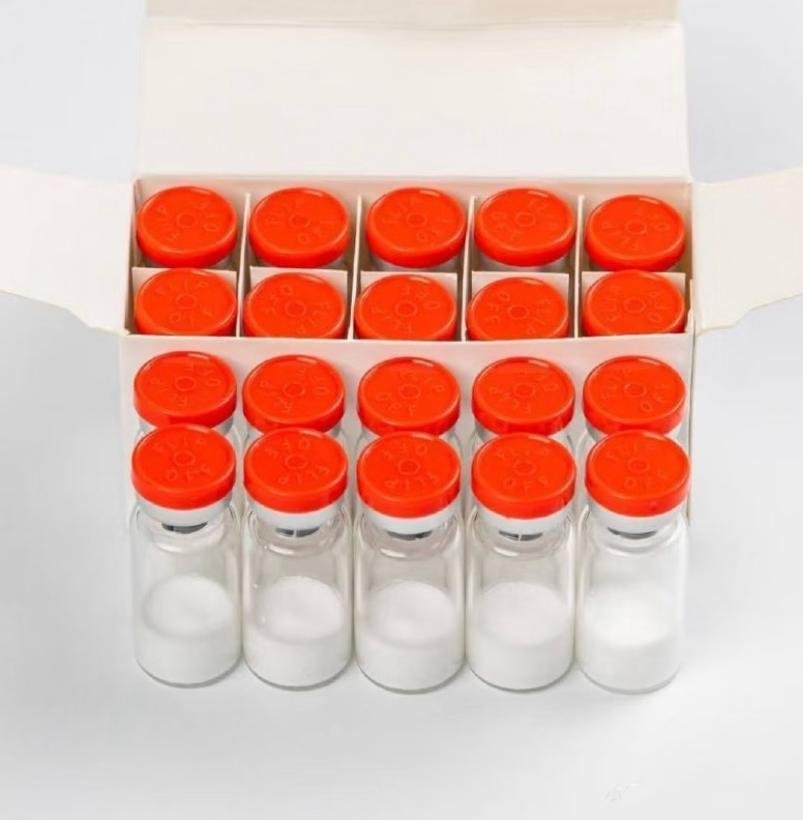
Bulk Peptide Quantities & Packaging
Quantity should be clearly communicated.
A bulk product or quote should identify:
- Material
- Quantity per unit
- Number of units
- Total quantity
- Packaging configuration
- Applicable lot information
- Availability
Clear quantity information helps prevent misunderstandings during institutional procurement.
Peptide Bulk Pricing USA
Bulk pricing may differ from standard catalog pricing.
Commercial factors can include:
- Material
- Quantity
- Number of units
- Specification
- Packaging
- Documentation requirements
- Current availability
- Shipping requirements
A professional quotation should clearly explain what is included.
Request a Bulk Peptide Quote
Qualified research organizations can make quote requests more efficient by providing complete information.
Include:
- Organization name
- Material name
- Catalog number
- Peptide Bulk Supplier USA
- Required quantity
- Number of units
- Packaging requirements
- Documentation requirements
- Delivery destination
Procurement teams can then compare quotations on equivalent requirements.
Bulk Peptides with COA USA
Documentation can be particularly relevant for larger institutional orders.
Depending on the material and testing program, applicable documentation may include:
- Product identification
- Lot or batch number
- Reported specification
- Reported purity information
- Relevant analytical information
- Testing information
- Date information
Qualified buyers should determine whether documentation corresponds to the material or lot being purchased.
Batch Traceability for Bulk Research Orders
Bulk orders can involve one or more lots.
Laboratories should therefore avoid assuming that every unit automatically belongs to the same batch.
Receiving records can track:
Material → Catalog Number → Quantity → Lot Number → Documentation → Storage Location
This provides a clearer inventory trail.
Why Lot Information Matters for Bulk Orders
Imagine receiving 20 units of a research material.
If those units represent two separate lots, the laboratory may need to record them accordingly.
Organized lot records can support:
- Inventory management
- Research records
- Procurement documentation
- Internal quality procedures
- Material traceability
- Project allocation
This becomes increasingly useful as purchasing volume grows.
Peptide Bulk Supplier with Analytical Documentation
Statements such as “tested” or “high purity” should not replace meaningful information.
Professional buyers can evaluate:
- Material identity
- Stated specifications
- Lot information
- Applicable COAs
- Relevant analytical documentation
Depending on the material and testing program, manufacturers or analytical laboratories may use chromatographic or mass-based analytical techniques.
Only documentation genuinely available for the relevant material should be represented as such.
Wholesale vs. Bulk Peptide Purchasing
Although the terms overlap, they can represent slightly different commercial needs.
Bulk Peptide Purchasing
Usually emphasizes larger quantities of a particular research material.
Wholesale Peptide Purchasing
May emphasize recurring institutional procurement, multiple materials or volume-based commercial arrangements.
A research organization may need one or both depending on its procurement model.
Bulk Research Peptide Catalog
A well-organized catalog can help institutional buyers identify bulk-order opportunities.
Product pages can include:
- Material name
- Catalog number
- Standard quantities
- Bulk inquiry option
- Specification
- Documentation availability
- Current availability
- Packaging information
- Storage information
A prominent Request Bulk Quote option can route larger institutional inquiries separately from standard orders.
Institutional Peptide Procurement USA
Institutional purchasing can involve multiple stakeholders.
A typical process might include:
Researcher → Laboratory Manager → Procurement → Supplier → Receiving → Laboratory Inventory
Clear supplier information helps each person complete their part of the workflow.
Compare Peptide Bulk Suppliers
Procurement teams should compare more than unit price.
| Bulk Procurement Factor | What to Review |
|---|---|
| Material identity | Clearly identified research material |
| Specification | Relevant stated information |
| Quantity | Exact amount quoted |
| Unit configuration | Quantity per package |
| COA | Applicable documentation |
| Lot traceability | Batch identification |
| Packaging | Appropriate commercial information |
| Availability | Current supply status |
| Pricing | Clear bulk quotation |
| Shipping | Transparent commercial terms |
| Support | Accessible supplier communication |
This creates a more complete supplier comparison.
Bulk Inventory Management
Large orders require good inventory control.
A laboratory inventory system can record:
- Material name
- Catalog number
- Supplier
- Quantity received
- Lot number
- Date received
- Documentation location
- Storage location
- Project assignment
- Remaining inventory
This helps prevent unnecessary reordering and improves visibility across research projects.
Receiving Bulk Research Materials
When a bulk shipment arrives, laboratory personnel may:
- Compare the shipment with the purchase order.
- Confirm material identity.
- Verify unit count.
- Verify total quantity.
- Inspect packaging.
- Record relevant lot numbers.
- Associate applicable documentation.
- Update inventory.
- Transfer materials to appropriate storage locations.
Any discrepancy can then be addressed according to applicable organizational procedures.
Bulk Research Peptide Shipping
Larger orders may require additional shipping coordination.
Suppliers should clearly explain applicable:
- Processing information
- Shipping options
- Geographic coverage
- Shipping charges
- Tracking availability
- Peptide Bulk Supplier USA
- Delivery limitations
- Order-issue procedures
Do not promise nationwide delivery speeds or special shipping conditions unless they can genuinely be provided.
Recurring Bulk Research Orders
Some organizations may reorder the same material periodically.
A repeat-order process can involve:
- Review remaining inventory.
- Check upcoming project demand.
- Confirm current product information.
- Review current documentation.
- Confirm current availability.
- Peptide Bulk Supplier USA
- Request an updated quotation.
- Complete procurement approval.
A previous order should not automatically substitute for reviewing current information.
Avoid Overbuying Research Materials
Bulk purchasing should be based on realistic institutional requirements.
Before increasing order size, consider:
- Project demand
- Current inventory
- Appropriate storage capacity
- Internal purchasing rules
- Applicable material information
- Inventory turnover
A lower unit price does not create value if unnecessary material is purchased.
Research Use Only Positioning
Products explicitly supplied for laboratory research should maintain consistent research-use positioning.
They should not simultaneously be marketed as:
- Consumer supplements
- Personal-use products
- Self-treatment products
- Peptide Bulk Supplier USA
- Approved medicines
- Products intended for human consumption
Bulk availability does not change a material’s stated intended use.
Frequently Asked Questions
What is a peptide bulk supplier USA?
In this context, it is a supplier supporting qualified research organizations that require larger quantities or recurring procurement of peptide research materials.
Who typically purchases bulk research peptides?
Potential institutional buyers can include universities, biotechnology companies, CROs, analytical laboratories and pharmaceutical R&D organizations.
Can I request a bulk peptide quote?
Suppliers serving institutional research buyers may provide quotations based on material, quantity, packaging, documentation and delivery requirements.
Are COAs available for bulk research orders?
Availability depends on the material and testing program. Qualified buyers should determine what applicable documentation is available for the relevant order or lot.
Why does lot traceability matter for bulk orders?
A larger shipment may involve one or multiple lots. Recording lot information helps connect materials with relevant documentation and inventory records.
Is wholesale the same as bulk purchasing?
The terms overlap. Bulk often emphasizes larger quantities, while wholesale may also involve recurring institutional or multi-product purchasing arrangements.
Should I choose a bulk supplier based on price alone?
Price is only one factor. Material identity, specifications, documentation, traceability, packaging, availability and commercial terms should also be reviewed.
Can universities request bulk quantities?
Universities may procure legitimate research materials according to institutional purchasing policies and applicable requirements.
How should laboratories manage bulk inventory?
Record material identity, supplier, quantity, lot information, documentation, storage location and project allocation according to institutional procedures.
Are bulk research peptides intended for human consumption?
Products explicitly supplied for research use should remain within that stated purpose and should not be treated as approved products for human consumption.
Choose a Peptide Bulk Supplier USA for Organized Research Procurement
Finding a Peptide Bulk Supplier USA should involve more than comparing the lowest price per unit.
Qualified research organizations can evaluate material specifications, required quantities, applicable COAs, batch traceability, packaging, availability, quotations and commercial policies before approving larger purchases.
For universities, biotechnology companies, CROs and analytical laboratories, combining responsible quantity planning with transparent documentation and organized inventory management creates a more professional approach to bulk research procurement.
