99% Pure Peptides For sale In USA, Custom Peptides, Peptides, Peptides for sale, Premium Peptides for sale, Research Peptides for sale, Wholesale Peptides for sale
research peptide purchasing USA
May
Research Peptide Purchasing USA – A Practical Laboratory Procurement Guide
This becomes easy to understand when we look at an ordinary working day.
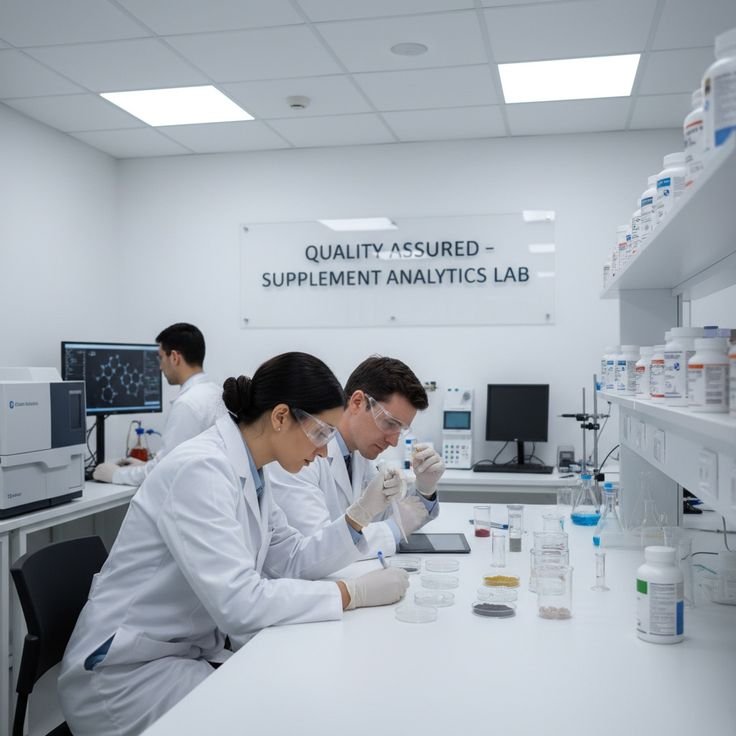
A researcher arrives at the laboratory and reviews the materials required for upcoming work. During the inventory check, the team discovers that one research material is running low.
Instead of immediately purchasing another package, the researcher checks the current inventory, identifies the required quantity and reviews the project requirements.
The purchasing team can then locate an appropriate research supplier, compare material specifications, review applicable COAs and batch documentation, check availability and obtain the necessary price or quotation.
After institutional approval, the order can be processed, received and added to the laboratory’s inventory records.
This is the practical purpose of professional Research Peptide Purchasing USA.
Products explicitly supplied for laboratory research should remain clearly positioned for that stated purpose and should not be marketed as approved medicines, consumer supplements or products intended for human consumption.
What Is Research Peptide Purchasing?
Research peptide purchasing refers to the procurement of peptide research materials by qualified laboratories and organizations for legitimate research activities.
Potential institutional purchasers can include:
- University laboratories
- Biotechnology companies
- Contract research organizations
- Analytical laboratories
- Pharmaceutical R&D organizations
- Other qualified research institutions
The purchasing process can range from a standard catalog order to a formal institutional bulk quotation.
Research Peptide Purchasing in Everyday Laboratory Work
Purchasing often begins long before an order reaches checkout.
A practical workflow can look like this:
Project Requirement → Inventory Check → Material Selection → Specification Review → Documentation Review → Supplier Evaluation → Quote/Price → Approval → Purchase → Receiving → Inventory
Each stage serves a purpose.
Identify the Research Requirement
Begin with the project.
Researchers should determine which material is required and why it is needed within the approved research workflow.
This prevents purchasing decisions from being driven solely by promotions or catalog browsing.
: Check Existing Laboratory Inventory
Before purchasing additional materials, review what is already available.
Check:
- Material name
- Catalog number
- Remaining quantity
- Lot number
- Storage location
- Documentation
- Project allocation
Good inventory management can reduce unnecessary purchases.
: Determine the Required Quantity
Once existing inventory has been checked, determine the quantity required for the project.
The appropriate quantity may depend on:
- Project requirements
- Number of planned studies
- Existing inventory
- Institutional purchasing rules
- Appropriate storage capacity
Larger quantities should reflect genuine research requirements rather than simply a lower unit Search a Research Peptide Catalog USA
A well-organized research catalog can make purchasing easier.
Qualified buyers should be able to search using:
- Material name
- Catalog number
- Research category
- Available quantity
Individual product pages should then provide the relevant procurement information.
Review Research Material Specifications
Before purchasing, compare the stated specifications with the laboratory’s requirements.
A useful product page may include:
- Material identity
- Catalog number
- Available quantity
- Relevant specifications
- Documentation availability
- Packaging information
- Storage information
- Availability
- Price or quote option
Clear product information reduces uncertainty.
Review COA and Batch Documentation
Documentation can be an important component of research procurement.
Depending on the material and testing program, a Certificate of Analysis may contain:
- Product identification
- Lot or batch number
- Reported purity
- Relevant analytical information
- Testing information
- Relevant dates
Qualified buyers should review what the document actually reports rather than assuming that the presence of a COA proves every possible quality claim.
Step 7: Check Lot Traceability
Lot traceability can help connect purchased material with its associated records.
A practical documentation chain can look like:
Material → Catalog Number → Lot Number → COA/Documentation → Inventory Record
This becomes particularly useful when the same material is purchased repeatedly.
Step 8: Evaluate the Research Peptide Supplier USA
Supplier evaluation should extend beyond price.
Review:
- Identifiable company information
- Professional contact information
- Organized catalog
- Material specifications
- Documentation practices
- Lot traceability
- Availability information
- Commercial policies
- Supplier communication
These factors provide a broader basis for institutional procurement.
Step 9: Compare Research Peptide Pricing
Price is important, but the lowest advertised price does not necessarily represent the most suitable procurement option.
Compare:
- Material
- Quantity
- Unit configuration
- Specification
- Documentation
- Packaging
- Availability
- Shipping
- Commercial terms
Compare equivalent requirements whenever possible.
Step 10: Complete Institutional Approval
Universities and companies may have internal purchasing procedures.
Depending on the organization, purchasing may involve:
Researcher → Laboratory Manager → Procurement Department → Supplier
Clear supplier and product information can make this process easier.
Purchase Research Peptides USA for University Laboratories
University researchers may need to prepare purchasing information before submitting a request.
This can include:
- Supplier
- Material name
- Catalog number
- Required quantity
- Price or quotation
- Available documentation
- Shipping information
Procurement can then process the request according to institutional requirements.
Research Peptide Purchasing for Biotechnology Companies
Biotechnology companies may have ongoing research-material requirements.
Their purchasing teams may evaluate:
- Material identity
- Specifications
- Documentation
- Lot information
- Packaging
- Availability
- Pricing
- Supplier communication
Recurring purchases benefit from consistent recordkeeping.
Research Peptide Procurement for CROs
Contract research organizations may manage materials across several projects.
Their inventory system can associate:
- Material
- Catalog number
- Supplier
- Quantity
- Lot number
- Documentation
- Project
- Storage location
This can help prevent materials and records from becoming disconnected.
Research Peptide Purchasing for Analytical Laboratories
Analytical laboratories may establish procurement requirements before contacting suppliers.
These can include:
- Exact material
- Required quantity
- Relevant specification
- Documentation requirements
- Packaging requirements
- Storage requirements
- Delivery requirements
Suppliers can then respond to a clearly defined purchasing request.
Online Research Peptide Purchasing USA
Online purchasing can make laboratory procurement more efficient when the website is structured around professional research buyers.
A useful online catalog can provide:
- Search functionality
- Product categories
- Individual material pages
- Clear quantities
- Specifications
- Documentation access
- Availability
- Pricing
- Quote requests
- Commercial policies
The objective should be to help buyers make informed procurement decisions.
Research Peptide Purchasing with COA USA
A COA can become part of the purchasing and receiving workflow.
Before ordering, qualified buyers can determine:
- Whether applicable documentation is available
- Which material it represents
- Whether a lot number is provided
- What specifications are reported
- What analytical information is included
After receiving the material, the relevant document can be associated with the laboratory’s inventory record.
Tested Research Peptide Purchasing
Terms such as “tested” should be supported by meaningful information.
Rather than relying on:
“Laboratory tested.”
qualified buyers should ask:
- What was analyzed?
- What documentation is available?
- Which material does it represent?
- Is it associated with a particular lot?
- What results are actually reported?
Testing terminology should accurately reflect available documentation.
Small Research Orders
Smaller research projects may only require standard catalog quantities.
A standard purchasing workflow can involve:
- Locate the material.
- Select the appropriate quantity.
- Review specifications.
- Review documentation.
- Confirm availability.
- Review price.
- Complete institutional approval.
- Place the order.
This may be sufficient for many routine requirements.
Bulk Research Peptide Purchasing USA
Larger projects may require bulk procurement.
A bulk request can include:
- Organization
- Material name
- Catalog number
- Required quantity
- Number of units
- Packaging requirements
- Documentation requirements
- Delivery destination
The supplier can then prepare an appropriate commercial quotation.
Wholesale Research Peptide Purchasing USA
Organizations with recurring requirements may use wholesale procurement arrangements.
Wholesale purchasing may be relevant to qualified:
- Universities
- Biotechnology companies
- CROs
- Analytical laboratories
- Pharmaceutical R&D organizations
Recurring procurement should still maintain appropriate material identification, documentation and inventory controls.
Request a Research Peptide Quote USA
Formal quotations can simplify larger purchases.
A useful quote should clearly identify:
- Material
- Quantity
- Unit configuration
- Price
- Packaging
- Availability
- Applicable commercial information
Procurement teams can then compare equivalent offers.
Compare Research Peptide Suppliers Before Purchasing
A purchasing comparison can use a structured checklist:
| Purchasing Factor | What to Review |
|---|---|
| Supplier | Identifiable business information |
| Material | Clear research-material identity |
| Specification | Relevant stated information |
| Quantity | Exact amount being purchased |
| COA | Applicable documentation |
| Lot traceability | Connection between material and records |
| Packaging | Clear packaging information |
| Availability | Current supply status |
| Price | Transparent price or quotation |
| Shipping | Applicable commercial information |
| Support | Accessible supplier communication |
Price should be evaluated within the complete procurement package.
Receiving a Research Peptide Order
Purchasing does not end when payment or procurement approval is completed.
When a shipment arrives, laboratory personnel may:
- Compare it with the purchase order.
- Confirm material identity.
- Verify quantity.
- Inspect packaging.
- Record relevant lot information.
- Locate associated documentation.
- Update laboratory inventory.
- Transfer the material to the appropriate storage location.
This closes the purchasing cycle.
Laboratory Inventory After Purchasing
An organized inventory record may contain:
- Material name
- Catalog number
- Supplier
- Quantity received
- Remaining quantity
- Lot number
- Date received
- Documentation reference
- Storage location
- Project assignment
This information can make future purchasing easier.
Planning Repeat Research Peptide Purchases
Before reordering, review:
- Current inventory
- Upcoming project requirements
- Previous purchasing records
- Current product information
- Current documentation
- Current availability
- Updated pricing
A previous purchase should not automatically replace a current procurement review.
Warning Signs During Research Peptide Purchasing
Qualified buyers may want additional verification when they encounter:
- Missing company information
- Vague material descriptions
- No clear quantity
- Unmatched or unclear documentation
- Unsupported purity guarantees
- Unsupported medical claims
- Contradictory intended-use statements
- Unclear commercial policies
- Poorly organized product information
Research purchasing should be based on meaningful information rather than slogans.
Avoid Unsupported Quality Claims
Statements such as:
- “100% pure”
- “Guaranteed quality”
- “FDA approved”
- “Clinically proven”
- “Pharmaceutical grade”
- “Safe for human use”
should not be used unless they are accurate, applicable and appropriately substantiated.
For research procurement, clearly presented specifications and documentation provide more useful information.
Research Use Only Positioning
Materials explicitly supplied for laboratory research should maintain consistent research-use positioning.
They should not simultaneously be marketed as:
- Consumer supplements
- Personal-use products
- Self-treatment products
- Approved medicines
- Products intended for human consumption
The stated research context should remain clear from product discovery through purchasing.
Frequently Asked Questions
What is research peptide purchasing USA?
It refers to the procurement of peptide research materials by qualified laboratories and organizations for legitimate research activities in the United States.
Where can laboratories purchase research peptides?
Qualified buyers can evaluate professional research-material suppliers by reviewing material specifications, documentation, lot traceability, company information and commercial policies.
What should I check before purchasing research peptides?
Review material identity, quantity, specifications, applicable COAs, lot information, packaging, availability, price and supplier policies.
Can research peptides be purchased with COAs?
Some research materials may have applicable COA documentation. Buyers should review what documentation is actually available and whether it corresponds to the relevant material or lot.
Can universities purchase research peptide materials?
Universities may procure legitimate research materials according to institutional purchasing procedures and applicable requirements.
Can I request bulk research peptide pricing?
Suppliers serving qualified organizations may offer quotations for legitimate larger-volume research requirements.
What is the difference between bulk and wholesale purchasing?
Bulk purchasing generally emphasizes larger quantities, while wholesale procurement may also involve recurring institutional or multi-product purchasing arrangements.
Should purchasing decisions be based on price alone?
No. Specifications, documentation, quantity, traceability, packaging, availability and commercial terms should also be evaluated.
Why is inventory management important?
Inventory records help laboratories understand existing stock, lot information, documentation and future purchasing requirements.
Are research peptides intended for human consumption?
Materials explicitly supplied for laboratory research should remain within that stated purpose and should not be treated as approved products for human consumption.
Make Research Peptide Purchasing USA More Organized
Professional Research Peptide Purchasing USA starts with a defined research requirement and continues through supplier evaluation, documentation review, institutional approval, receiving and inventory management.
For universities, biotechnology companies, CROs and analytical laboratories, a structured purchasing process can make everyday research procurement more transparent and manageable.
Instead of focusing only on price, qualified buyers can evaluate material specifications, applicable COAs, batch traceability, quantities, availability and commercial information before making institutional purchasing decisions.
