
B7-33 (6mg) – Premium Single-Chain Relaxin Mimetic for Research
Welcome to Liaocheng Yixin Company, your trusted source for premium b7-33 6mg peptide for research. As a specialized peptide synthesis manufacturer operating from our facility at No. 9 Lushan Road, Dongcheng Street, Liaocheng Economic and Technological Development Zone, Shandong Province, we provide high-quality research compounds for the global scientific community. b7-33 6mg peptide for research
B7-33 is a synthetic single-chain peptide analogue of relaxin that represents a significant advancement over the native hormone’s complex structure . While native human relaxin-2 (H2 relaxin) is a two-chain, three-disulfide-bond-containing peptide that is unstable in human serum and difficult to synthesize efficiently, B7-33 is a 27-mer single-chain peptide devoid of disulfide bonds that retains the biological activity of the native hormone . Our b7-33 6mg peptide for research offers investigators a reliable, high-purity compound for cardiovascular, fibrosis, and receptor signaling studies.
What is B7-33?
B7-33 is a functionally selective agonist of the relaxin receptor (RXFP1), the endogenous receptor for the peptide hormone relaxin . In 2016, researchers developed B7-33 as a single-chain peptide derived from the B-chain of H2 relaxin . While it demonstrated poor affinity in cells overexpressing RXFP1, it displayed equivalent potency to H2 relaxin in fibroblasts natively expressing the receptor—a discovery that opened new avenues for studying relaxin biology .
Key identifiers:
-
CAS Number: 1818415-56-3
-
Class: Single-chain relaxin mimetic
-
Target Receptor: RXFP1 (Relaxin Family Peptide Receptor 1)
-
Action: Full agonist
-
pKi at RXFP1: 5.5
-
Purity: ≥99% verified by HPLC
- b7-33 6mg peptide for research
Mechanism of Action in Research
B7-33 operates through a mechanism that distinguishes it from the native relaxin hormone:
RXFP1 Agonism
B7-33 is a selective agonist of RXFP1, the receptor responsible for the potent vasodilatory and anti-fibrotic effects of relaxin . Its binding to RXFP1 triggers signaling pathways that are the focus of cardiovascular, fibrosis, and preeclampsia research.
b7-33 6mg peptide for research
Functional Selectivity
B7-33 has been shown to preferentially activate the pERK pathway over the cAMP pathway in cells that endogenously express RXFP1 . This “functional selectivity” or “biased agonism” makes B7-33 a valuable research tool for dissecting which signaling pathways mediate specific downstream effects of relaxin .
Absence of Disulfide Bonds
Unlike native H2 relaxin, B7-33 is a single-chain peptide devoid of disulfide bonds . This simplifies synthesis and improves stability, with research showing that lipidated analogs can achieve significantly increased half-life .
Scientific Research Applications
B7-33 has been extensively studied across multiple research domains:
Cardiovascular Research
B7-33 has been evaluated for its cardioprotective effects in experimental models. Research demonstrates that B7-33 maintains the cardioprotective effects of relaxin in attenuating myocardial infarction-related adverse cardiac remodeling . It has also been shown to reduce left ventricular fibrosis in experimental models of cardiomyopathy .
Preeclampsia Research
A 2024 study in the Journal of Hypertension evaluated B7-33 in rodent models of preeclampsia . Results demonstrated that B7-33 treatment:
-
Lowered mean arterial pressure (MAP) back to normal pregnancy levels
-
Reduced TNF-alpha and sFlt-1 levels
-
Normalized blood pressure and proteinuria in the DOCA rat model of preeclampsia
The study concluded that B7-33 is an ideal candidate for development as a novel therapeutic in preeclampsia .
Fibrosis Research
B7-33 has demonstrated potent anti-fibrotic effects in numerous preclinical animal studies . A 2026 study published in Biomedicine & Pharmacotherapy evaluated B7-33 on human hypertrophic scar fibroblasts . Key findings included:
-
Significant COL1A1 downregulation greater than reference antifibrotic agents
-
Biocompatibility with >70% cell viability maintained after 72-hour exposure (0.03–0.3 μg/mL)
-
Controlled release from electrospun dressings with retained antifibrotic activity
The study supported B7-33 as an antifibrotic peptide and the feasibility of topical dressings for scar management .
b7-33 6mg peptide for research
Why Choose Liaocheng Yixin Company?
When sourcing b7-33 6mg peptide for research, quality and reliability are paramount. Here’s why researchers trust us:
Manufacturer-Direct Quality
We are a legitimate, licensed peptide synthesis company with a physical headquarters in Shandong Province, China. Our facility maintains strict quality control standards.
Verified Purity Standards
Every batch undergoes rigorous testing using HPLC analysis. Certificates of Analysis are available upon request.
Research-Grade Specifications
-
Purity: ≥99% verified by HPLC
-
CAS: 1818415-56-3
-
Molecular Weight: Refer to specifications
-
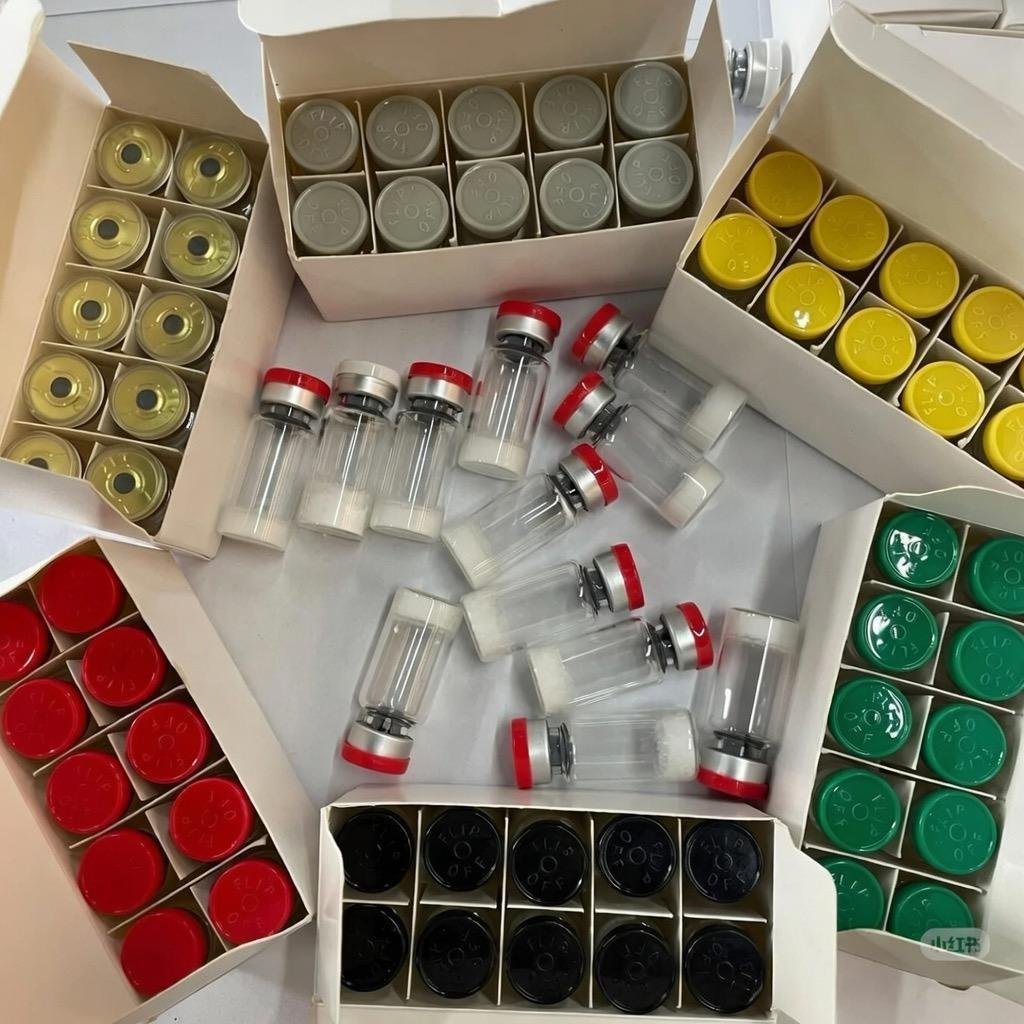
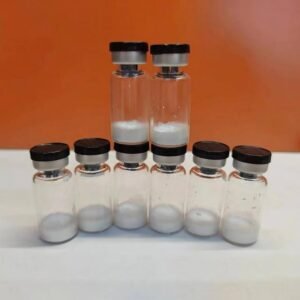
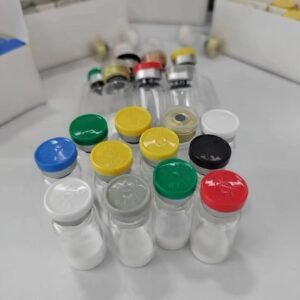
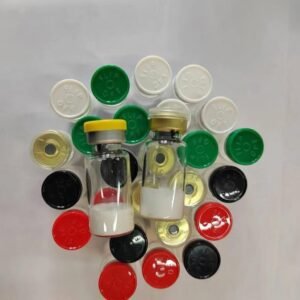
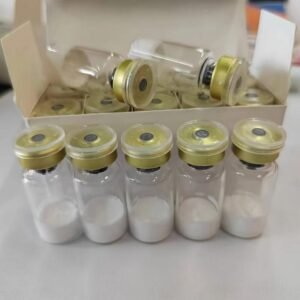
Appearance: White lyophilized powder
-
Storage: Store powder at -20°C in a sealed, desiccated container, protected from light and moisture
-
Form: Lyophilized powder for research use
Quality Assurance & Testing
Every batch undergoes comprehensive quality control:
-
Synthesis by experienced chemists using solid-phase peptide synthesis
-
Purification via preparative HPLC
-
Analysis using HPLC for purity verification
-
Mass Spectrometry for molecular weight confirmation
-
Packaged in sterile conditions for research use
- b7-33 6mg peptide for research
: What is B7-33 and how does it work in research?
A: B7-33 is a single-chain relaxin mimetic that functions as a functionally selective agonist of the RXFP1 receptor . It replicates the organ-protective effects of H2 relaxin but with a simplified structure devoid of disulfide bonds .Q: How does B7-33 differ from native H2 relaxin?
A: Native H2 relaxin is a two-chain peptide with three disulfide bonds that is unstable in human serum and difficult to synthesize . B7-33 is a 27-mer single-chain peptide derived from the B-chain of H2 relaxin that retains biological activity with improved stability .
: What are the key research applications for B7-33?
A: B7-33 is used in cardiovascular research (cardioprotection, myocardial infarction), preeclampsia research, fibrosis research (hypertrophic scars, cardiac fibrosis), and receptor signaling studies of RXFP1 .Q: What purity level can I expect?
A: All batches are tested to ensure ≥99% purity by HPLC analysis. Certificates of Analysis are available upon request.
: Is this product for human use?
A: No. Our B7-33 is manufactured strictly for research use only (RUO). It is not intended for human consumption or clinical applications.
When you need premium b7-33 6mg peptide for research for your cardiovascular, fibrosis, or receptor signaling studies, choose a manufacturer that prioritizes quality, transparency, and reliability. Liaocheng Yixin Company combines expert peptide synthesis capabilities with rigorous quality control to deliver research materials you can trust.b7-33 6mg peptide for research
Be the first to review “B7-33 (6mg)”
Related products

Custom Peptides


Reviews
There are no reviews yet.