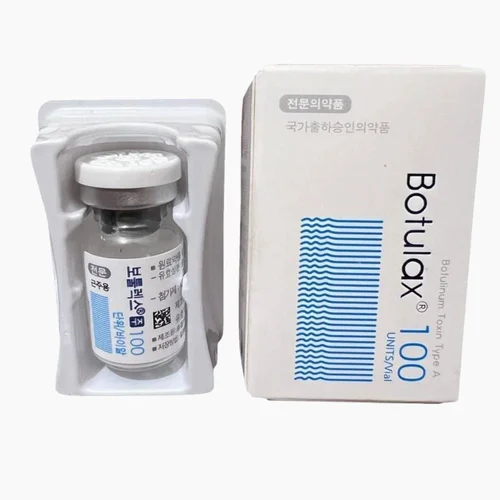
Botulinum Toxin Manufacturing – Premium Research Grade Production Solutions
Welcome to Liaocheng Yixin Company, your trusted source for premium botulinum toxin manufacturing for research. As a licensed peptide synthesis manufacturer operating from our facility in Shandong Province, China, we provide high-quality research compounds for the global scientific community.
Botulinum neurotoxin (BoNT) is a potent biological molecule with extensive applications in research, drug development, and diagnostic studies. The manufacturing process involves fermentation of Clostridium botulinum strains followed by multi-step purification to obtain the active neurotoxin complex . Our botulinum toxin manufacturing for research follows established protocols to deliver high-purity, biologically active material for your laboratory needs.
What is Botulinum Toxin Manufacturing?
Botulinum toxin manufacturing is a specialized biotechnological process that involves the cultivation of C. botulinum bacteria, purification of the neurotoxin, and formulation into a stable research-grade product . Commercial manufacturing is based on the natural producer, C. botulinum, and involves extended bacterial cultivation followed by a multistep purification procedure .
Key specifications:
-
Strain: Hall strain or other high-toxin producing strains
-
Toxin Type: Type A (most common for research)
-
Complex Size: ~900 kDa (typical purified complex)
- botulinum toxin manufacturing for research
-
Potency: 1 unit ≈ 0.02 picograms (standardized bioassay)
-
Purity: ≥99% verified by HPLC
Mechanism of Action in Research
Structural and Functional Properties
Botulinum toxin is composed of a heavy chain (HC) and a light chain (LC) linked by a disulfide bond. The heavy chain mediates neuron-specific binding, uptake by receptor-mediated endocytosis, and transport of the light chain across the endosomal membrane into the cytosol . The light chain is a zinc-dependent metallopeptidase that hydrolyzes a member of the SNARE protein complex, which is required for vesicle exocytosis .
Research Applications
-
Neuroscience: Studying synaptic transmission and neurotransmitter release
-
Drug Development: Investigating novel therapeutic applications
- botulinum toxin manufacturing for research
-
Immunology: Developing neutralizing antibodies and vaccines
-
Diagnostics: Creating immunoassays and reference standards
Manufacturing Process Overview
Fermentation
The manufacturing process begins with the cultivation of C. botulinum under anaerobic conditions. A two-tiered cell banking system consisting of Master and Working cell banks is typically employed . The fermentation process involves step-up cultivations followed by production-scale fermentation in a specialized growth medium .
Purification
The neurotoxin is purified from the culture medium using a series of chromatographic steps. The process typically involves:
-
Acid precipitation to recover crude toxin
-
Anion exchange chromatography
-
Cation exchange chromatography
- botulinum toxin manufacturing for research
-
Hydrophobic interaction chromatography
-
Size-exclusion chromatography
Formulation and Stability
The purified toxin is formulated with stabilizing excipients and lyophilized to produce a stable, research-grade product . The lyophilized product is stored at or below -5°C until reconstitution .
Quality Assurance & Testing
Standard Quality Controls
-
Potency Testing: Mouse lethal dose (LD50) assay to determine biological activity
-
Purity Analysis: SDS-PAGE and HPLC to confirm purity and complex integrity
-
Identity Confirmation: Mass spectrometry and immunological testing
-
Stability Testing: Moisture content and shelf-life determination
- botulinum toxin manufacturing for research
Regulatory Considerations
Botulinum toxin products are subject to strict regulatory oversight. The FDA requires identification of the C. botulinum strain on product labeling, and any change of strains is considered a “major change” requiring preapproval of a BLA Supplement . Manufacturing facilities must meet Biosafety Level 2 requirements with specific containment measures for pathogen and toxin handling .
Why Choose Liaocheng Yixin Company?
When sourcing botulinum toxin manufacturing for research, quality and reliability are paramount. Here’s why researchers trust us:
Manufacturer-Direct Quality
We are a legitimate, licensed peptide synthesis company with a physical headquarters in Shandong Province, China. Our facility maintains strict quality control standards and adheres to rigorous protocols for biological manufacturing.
Verified Purity Standards
Every batch undergoes rigorous testing using HPLC and mass spectrometry. Our botulinum toxin meets high purity standards. Certificates of Analysis are available upon request.
Research-Grade Specifications
-
Purity: ≥99% verified by HPLC
-
Potency: Standardized bioassay (LD50 units)
- botulinum toxin manufacturing for research
-
Complex Size: 900 kDa (typical)
-
Appearance: Lyophilized powder
-
Storage: -20°C or lower
-
Form: Lyophilized powder for research use
Quality Assurance & Testing
Every batch undergoes comprehensive quality control:
-
Fermentation by experienced microbiologists under controlled conditions
-
Purification via multi-step chromatography
- botulinum toxin manufacturing for research
-
Analysis using HPLC and mass spectrometry for purity verification
-
Potency Testing through standardized bioassay
-
Packaged under sterile conditions for research use
: What is botulinum toxin manufacturing?
A: Botulinum toxin manufacturing is the process of cultivating Clostridium botulinum, purifying the neurotoxin, and formulating it into a stable research-grade product. The process involves fermentation, multi-step chromatography purification, and lyophilization .
: What strains are used for botulinum toxin production?
A: The most common strain for research-grade production is the Hall strain of C. botulinum . Other high-toxin producing strains may also be used, depending on the specific application .
: What is the potency of research-grade botulinum toxin?
A: Potency is typically expressed in mouse lethal dose (LD50) units, with one unit defined as the amount required to kill 50% of test animals. Specific potency ranges from 2.4-5.9 × 10⁷ MLD50 units/mg for purified toxin .
: What purity level can I expect?
A: Our botulinum toxin is purified to ≥99% purity, verified by HPLC and SDS-PAGE analysis. Certificates of Analysis are available upon request.
: Is this product for human use?
A: No. Our botulinum toxin is manufactured strictly for research use only (RUO). It is not intended for human consumption or clinical applications.
When you need premium botulinum toxin manufacturing for research for your neuroscience, drug development, or immunology studies, choose a manufacturer that prioritizes quality, transparency, and reliability. Liaocheng Yixin Company combines expert biotechnological capabilities with rigorous quality control to deliver research materials you can trust.
Be the first to review “Botulinum Toxin Manufacturing”
Related products
Custom Peptides
Reviews
There are no reviews yet.