
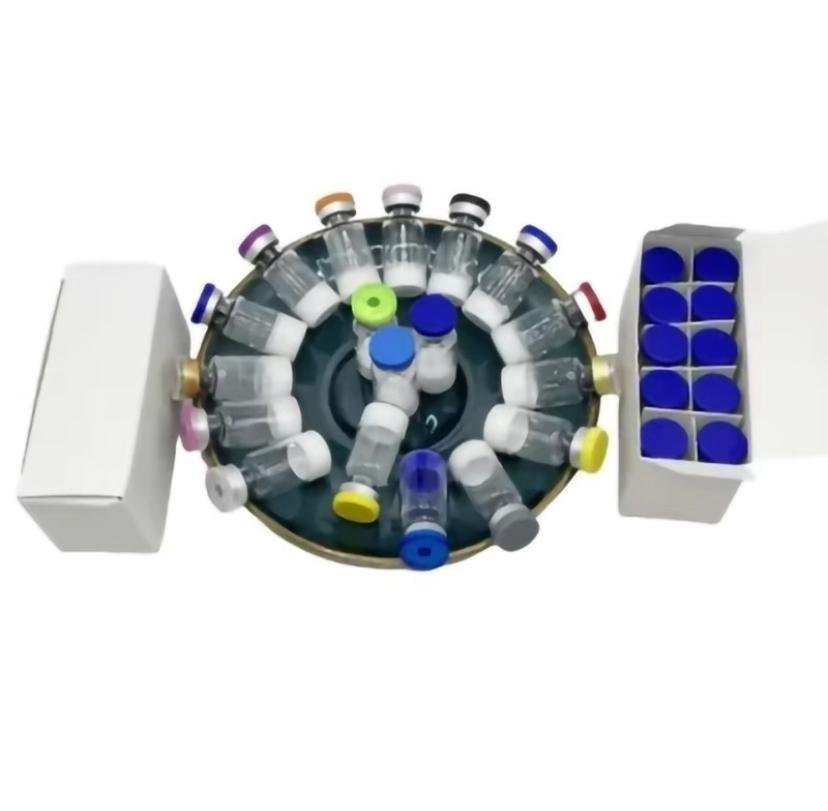
BPC 5mg + TB 5mg – Premium Research Blend for Tissue Repair Studies
Welcome to Liaocheng Yixin Company, your trusted source for premium bpc-157 tb-500 5mg blend for research. As a licensed peptide synthesis manufacturer operating from our facility in Shandong Province, China, we provide high-quality research compounds for the global scientific community.
The BPC-157 and TB-500 combination—often referred to in research contexts as the “Wolverine Stack”—is a pre-formulated blend designed for laboratory studies investigating multi-pathway tissue repair mechanisms . BPC-157 (Body Protection Compound-157) is a synthetic 15-amino-acid peptide derived from a protein in human gastric juice, while TB-500 is a synthetic fragment of thymosin beta-4 corresponding to the actin-binding domain . Together, they target complementary pathways: BPC-157 primarily influences angiogenesis and VEGF signaling, while TB-500 regulates actin dynamics and cellular migration . Our bpc-157 tb-500 5mg blend for research offers investigators a convenient, precisely formulated tool for regenerative biology studies.
What is BPC-157 & TB-500 Blend?
This 5mg + 5mg lyophilized blend combines two research peptides that work through complementary mechanisms in tissue repair models:
| Peptide | Amino Acids | Primary Mechanism | Key Research Feature |
|---|---|---|---|
| BPC-157 | 15 | Angiogenesis via VEGF & NO system | Cytoprotective, collagen synthesis modulation |
| TB-500 | 17 (fragment of Tβ4) | Actin sequestration & cell migration | Cytoskeletal dynamics, wound healing |
BPC-157, sometimes referred to as “Body Protection Compound 157,” is a synthetic peptide derived from a protein in human gastric juice . It has been studied extensively in preclinical models for its potential to support healing of fractures, tendon ruptures, ligament tears, and gastrointestinal ulcers . TB-500 is a synthetic version of an active region of thymosin beta-4, a naturally occurring 43-amino-acid protein involved in actin regulation .
-
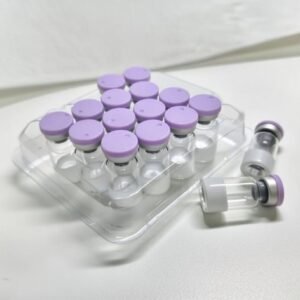
bpc-157 tb-500 5mg blend for research
Mechanism of Action in Research
The blend combines two distinct but complementary pathways :
BPC-157 Pathway: Angiogenesis and NO System
BPC-157 operates primarily through the nitric oxide (NO) system, activating eNOS and nNOS pathways, and upregulating vascular endothelial growth factor (VEGF) expression across multiple tissue models . This promotes angiogenesis—the formation of new blood vessels—which may be critical for providing oxygen and nutrients to damaged tissues . BPC-157 also modulates the NF-κB inflammatory cascade, attenuating pro-inflammatory cytokine expression (TNF-α, IL-1β, IL-6) in published models .bpc-157 tb-500 5mg blend for research
TB-500 Pathway: Actin Dynamics and Cell Migration
TB-500 regulates the G-actin/F-actin equilibrium, maintaining a pool of actin available for rapid polymerization at the cell leading edge during migration events . This enables cellular mobilization and architectural remodeling, addressing the structural dimension of tissue repair . TB-500 also demonstrates anti-inflammatory properties through reductions in NF-κB activation and inflammatory mediator expression .
Mechanistic Complementarity
Researchers investigating multi-pathway biology have increasingly turned to combination designs that activate several mechanisms concurrently . BPC-157 and TB-500 represent a particularly well-studied pairing because they target different, non-overlapping aspects of the tissue repair cascade: vascularization (BPC-157) plus cell migration (TB-500) .
Scientific Research Applications
Preclinical Tissue Repair Studies
The combination of BPC-157 and TB-500 has been investigated in a 2026 rat Achilles tendon healing study . Key findings from this exploratory research included:
-
Biomechanical testing revealed higher maximum load to failure values in BPC-157 and TB-500 groups compared to controls
-
Significant lower total Movin scores in TB-500 and BPC+TB groups, indicating improved tendon architecture and collagen alignment
-
Immunohistochemical analysis showed significant differences in collagen type III expression in treatment groups
-
bpc-157 tb-500 5mg blend for research
-
Important: Combined BPC-157 and TB-500 treatment did not confer additional benefits compared to either agent alone in this model
Angiogenesis and Wound Healing Research
Both peptides have demonstrated angiogenic activity in preclinical models :
-
BPC-157 treatment reliably produces elevated VEGF expression and measurable increases in microvessel density in histological sections
-
TB-500 has demonstrated benefits in models of wound healing, cardiac protection, and muscle repair across multiple species
Neurological Research (Limited)
Both peptides have demonstrated some potential in neurological applications in experimental models, though this represents a less extensively studied area . TB-500 has demonstrated neuroprotective effects in experimental models of neurological injury .
Important Research Considerations
Evidence Limitations
The evidence base for both peptides is primarily preclinical :
-
No human clinical trials have evaluated the BPC-157 plus TB-500 combination for any indication
- bpc-157 tb-500 5mg blend for research
-
A 2026 sports medicine review concluded that BPC-157 benefits in tendon and muscle repair are “largely unvalidated in human trials,” and human orthopedic data for TB-500 are lacking
-
The FDA has identified safety concerns for both compounds including immunogenicity, peptide-related impurities, and limited human safety data
Regulatory Status
-
BPC-157 is classified as a Category 2 bulk drug substance by the FDA
-
TB-500 is prohibited by the World Anti-Doping Agency (WADA)
-
In July 2026, the FDA’s advisory committee recommended adding both compounds to the 503A bulks list, though the recommendation was contested
Combination Specificity
The mechanistic rationale for the pairing is coherent—angiogenesis plus cell migration plausibly complement each other . However, no published study has compared the combination against either compound alone . The synergy claim remains a hypothesis that has not been demonstrated .
Why Choose Liaocheng Yixin Company?
When sourcing bpc-157 tb-500 5mg blend for research, quality and reliability are paramount. Here’s why researchers trust us:
Manufacturer-Direct Quality
We are a legitimate, licensed peptide synthesis company with a physical headquarters in Shandong Province, China. Our facility maintains strict quality control standards.
Verified Purity Standards
Every batch undergoes rigorous testing using HPLC and mass spectrometry. Certificates of Analysis are available upon request.
Research-Grade Specifications
-
Purity: ≥99% verified by HPLC
-
Components: BPC-157 (5mg) + TB-500 (5mg)
-
CAS Numbers: BPC-157: 137525-51-0; TB-500: 77591-33-4
-
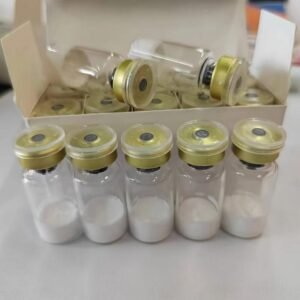
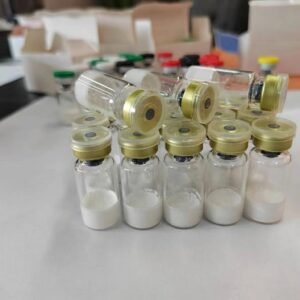
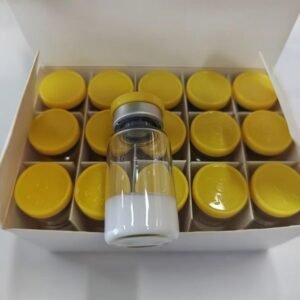
Appearance: Lyophilized powder
-
bpc-157 tb-500 5mg blend for research
-
Storage: Store powder at -20°C in a sealed, desiccated container, protected from light and moisture
-
Form: Lyophilized powder for research use
Quality Assurance & Testing
Every batch undergoes comprehensive quality control:
Be the first to review “BPC 5mg + TB 5mg”
Related products
Custom Peptides
Custom Peptides
Custom Peptides
Reviews
There are no reviews yet.