
KPV (4mg) – High-Purity Peptides for Sale
Welcome to Liaocheng Yixin Company, your trusted source for premium kpv 4mg peptide for research. As a specialized peptide synthesis manufacturer operating from our facility at No. 9 Lushan Road, Dongcheng Street, Liaocheng Economic and Technological Development Zone, Shandong Province, we provide high-quality research compounds for the global scientific community.
-
kpv 4mg peptide for research
KPV (Lysine-Proline-Valine) is a synthetic tripeptide corresponding to the C-terminal fragment (amino acids 11-13) of alpha-melanocyte-stimulating hormone (α-MSH) . This compact tripeptide is recognized for its distinctive anti-inflammatory properties and its involvement in modulating immune responses at the molecular level . Unlike the full α-MSH hormone, KPV is free from melanotropic effects and thus does not cause pigmentation . It is also smaller, more chemically stable than α-MSH, and notably orally active—stable enough to not be destroyed in the gut . Our kpv 4mg peptide for research offers investigators a reliable, high-purity compound for inflammation pathway, immunology, and gastrointestinal research.
What is KPV?
KPV is a tripeptide featuring a basic (Lysine), aromatic, and aliphatic (Proline and Valine) residue, arranged for distinct electrostatic and hydrophobic interactions . The sequence supports studies of peptide stability, receptor-contact motifs, and enzymatic processing. Its simple architecture enhances analytical precision .
Key identifiers:
-
CAS Number: 67727-97-3
-
Molecular Formula: C16H30N4O4
-
Molecular Weight: 342.43 g/mol
-
Sequence: H-Lys-Pro-Val-OH
-
Synonyms: Lysine-Proline-Valine, ACTH (11-13), α-MSH (11-13)
-
Purity: ≥99% verified by HPLC
-
kpv 4mg peptide for research
Mechanism of Action in Research
KPV exerts its anti-inflammatory effects through mechanisms that are clearly different from those of other melanocortin peptides .
Inhibition of NF-κB Signaling
A key mechanism of KPV involves the inhibition of the NF-κB pathway. Research has shown that KPV suppresses NF-κB-driven activity in epithelial cells, blocks the nuclear translocation of the p65RelA protein, and stabilizes IκBα . Its ability to inhibit NF-κB at nanomolar concentrations is a central part of its anti-inflammatory action . KPV achieves this by competing at the Imp-α3 binding site on p65RelA, effectively blocking its entry into the nucleus .
PepT1-Mediated Transport
KPV is internalized into colonic cells via the PepT1 transporter . This transport mechanism is significant for research into inflammatory bowel diseases, as PepT1 is expressed in inflamed intestinal tissue . A 2008 study in Gastroenterology demonstrated that KPV acts via PepT1 expressed in immune and intestinal epithelial cells, and oral administration of KPV reduces the incidence of DSS- and TNBS-induced colitis .
-
kpv 4mg peptide for research
Independence from Melanocortin Receptors
A noteworthy aspect of KPV’s mechanism is that its anti-inflammatory effects appear to be at least partially independent of the melanocortin-1 receptor (MC1R) signaling . Research shows that its anti-inflammatory action is preserved in animals with a nonfunctional MC1R . KPV is unlikely to mediate its effects through melanocortin receptors but is more likely to act through inhibition of IL-1β functions .
Scientific Research Applications
KPV has been the subject of extensive preclinical research, with its effects most comprehensively documented in the area of gastrointestinal inflammation.
Gastrointestinal Inflammation Research
KPV’s anti-inflammatory potential has been extensively studied in murine models of inflammatory bowel disease (IBD) :
-
DSS and TNBS Colitis Models: Treatment with KPV led to earlier recovery and significantly stronger regain of body weight .
-
Reduced Myeloperoxidase Activity: The peptide significantly reduced MPO activity in colonic tissue, indicating a decrease in neutrophil accumulation .
-
MC1R-Independent Effects: In MC1Re/e mice, KPV treatment rescued all animals in the treatment group from death during DSS colitis .
-
In Vitro Effects: KPV inhibits the activation of NF-kappaB and MAP kinase inflammatory signaling pathways and reduces pro-inflammatory cytokine secretion .
Skin and Wound Healing Research
KPV is studied for its potential in topical applications and wound repair :
-
Keratinocyte Inflammation: It inhibits the inflammatory response of keratinocytes .
-
kpv 4mg peptide for research
-
-
Wound Repair: KPV has been shown to speed wound healing, reduce infection, and lead to better cosmetic results .
-
Scar Reduction: Part of the benefit in reducing scar prominence appears to come from its ability to modulate collagen metabolism .
Antimicrobial Action
KPV exhibits direct antimicrobial activity against Staphylococcus aureus and Candida albicans . KPV significantly inhibited S. aureus from forming colonies in research studies .
Peptide-Receptor Interaction Studies
The tripeptide is frequently used to investigate the interaction between melanocortin peptides and their cognate receptors. Its selective activity allows for the examination of receptor binding specificity, signal transduction, and the functional consequences of peptide-receptor engagement .
Cellular Signaling Modulation
KPV is employed in in vitro models to assess its effects on cellular signaling cascades related to immune regulation. By applying KPV to cultured cells, scientists can monitor changes in transcription factor activity, cytokine expression, and downstream signaling events .
Why Choose Liaocheng Yixin Company?
When sourcing kpv 4mg peptide for research, quality and reliability are paramount. Here’s why researchers trust us:
Manufacturer-Direct Quality
We are a legitimate, licensed peptide synthesis company with a physical headquarters in Shandong Province, China. Our facility maintains strict quality control standards.
Verified Purity Standards
Every batch undergoes rigorous testing using HPLC analysis. Our KPV meets ≥99% purity standards . Certificates of Analysis are available upon request.
Research-Grade Specifications
-
Purity: ≥99% verified by HPLC
-
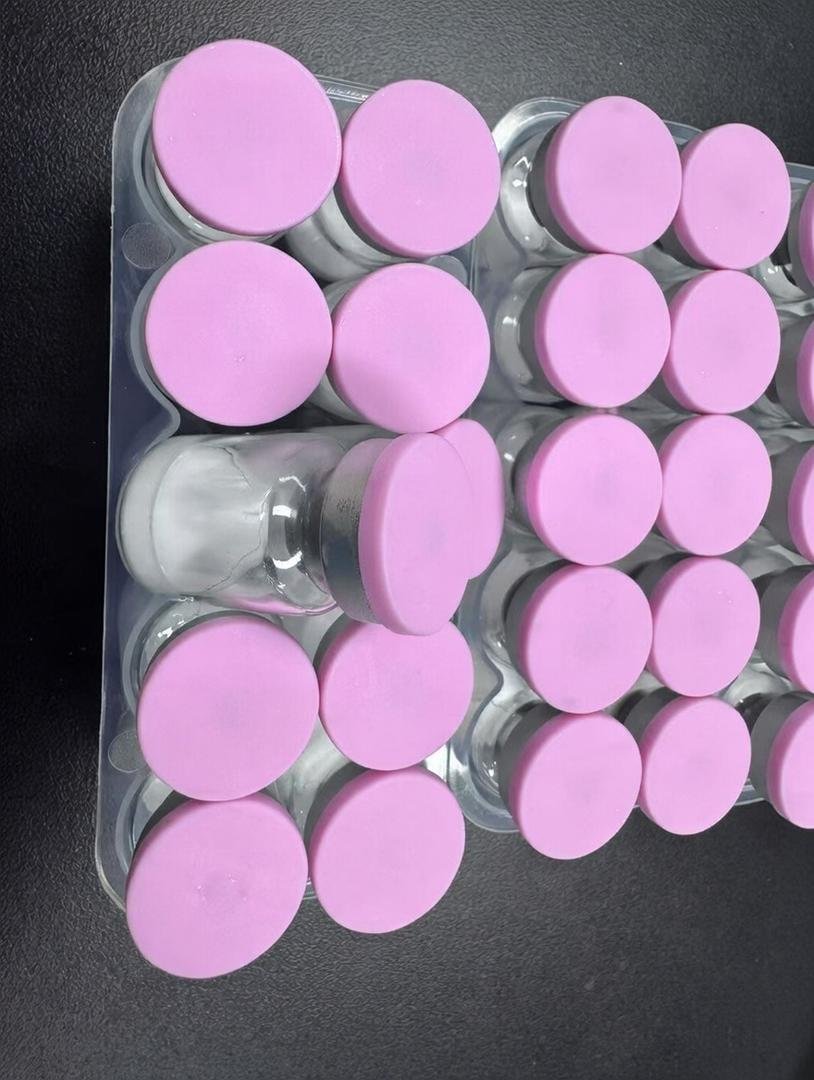
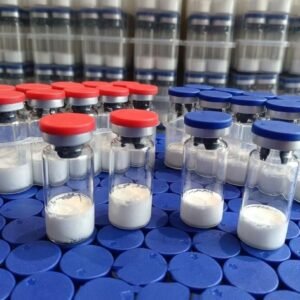
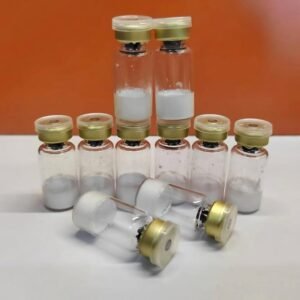
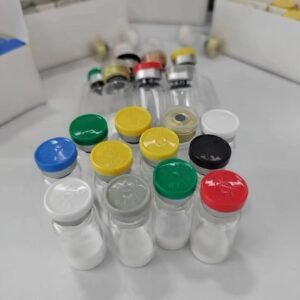
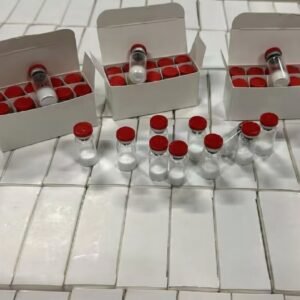
Appearance: White to off-white lyophilized powder
-
Storage: Store powder at -20°C in a sealed, desiccated container, protected from light and moisture
-
Form: Lyophilized powder for research use
-
kpv 4mg peptide for research
Quality Assurance & Testing
Every batch undergoes comprehensive quality control:
-
Synthesis by experienced chemists using solid-phase peptide synthesis
-
Purification via preparative HPLC
-
Analysis using HPLC for purity verification
-
Mass Spectrometry for molecular weight confirmation
-
Packaged in sterile conditions for research use
-
kpv 4mg peptide for research
: What is KPV and how does it work in research?
A: KPV is a synthetic tripeptide corresponding to the C-terminal fragment of α-MSH . It inhibits inflammation primarily through suppression of NF-κB signaling, is transported into cells via PepT1, and exerts anti-inflammatory effects that are at least partially independent of melanocortin receptors .
: Is KPV free from the melanotropic effects of α-MSH?
A: Yes. KPV lacks the sequence motif required for binding to melanocortin receptors for pigmentation and is therefore free from the melanotropic effects of its parent hormone, α-MSH .
: What are the key research applications for KPV?
A: KPV is used in gastrointestinal inflammation research (IBD models), skin and wound healing studies, antimicrobial research, peptide-receptor interaction studies, and cellular signaling modulation .
: What purity level can I expect?
A: All batches are tested to ensure ≥99% purity by HPLC analysis. Certificates of Analysis are available upon request.
: Is this product for human use?
A: No. Our KPV is manufactured strictly for research use only (RUO). It is not intended for human consumption or clinical applications.
When you need premium kpv 4mg peptide for research for your inflammation pathway, immunology, or gastrointestinal studies, choose a manufacturer that prioritizes quality, transparency, and reliability. Liaocheng Yixin Company combines expert peptide synthesis capabilities with rigorous quality control to deliver research materials you can trust.
Be the first to review “KPV (4mg)”
Related products

Reviews
There are no reviews yet.