



MOTS-C (10mg) – Premium Research Peptide for Metabolic & Mitochondrial Studies
Welcome to Liaocheng Yixin Company, your trusted source for premium mots-c 10mg for research. As a specialized peptide synthesis manufacturer operating from our facility in Shandong Province, China, we provide high-quality research compounds for the global scientific community.
MOTS-c (mitochondrial open-reading frame of the twelve S rRNA-c) is a novel 16-amino acid bioactive peptide encoded within the mitochondrial genome. Discovered in 2015, it represents a paradigm-shifting discovery—mitochondria actively regulate metabolic homeostasis via peptides encoded within their own DNA . Our mots-c 10mg for research offers investigators a reliable, high-purity tool for metabolic, mitochondrial, and age-related research.
What is MOTS-C?
MOTS-c is a mitochondrial-derived peptide (MDP) encoded by a small open reading frame within the mitochondrial 12S rRNA region . Unlike nuclear-encoded peptides, MOTS-c originates directly from mitochondrial DNA, providing a direct signaling link between mitochondrial function and nuclear gene expression .
Key Identifiers:
-
Molecular Formula: C₁₀₁H₁₅₂N₂₈O₂₂S₂
-
Molecular Weight: ~2,174.59 g/mol
-
Sequence (Human): MRWQEMGYIFYPRKLR
-
Sequence (Mouse): MKWEEMGYIFL
-
Purity: ≥99% verified by HPLC
Mechanism of Action in Research
AMPK Activation Pathway
MOTS-c exerts its primary effects through activation of AMP-activated protein kinase (AMPK), a master regulator of cellular energy homeostasis . The peptide targets the methionine-folate cycle, increasing AICAR levels and subsequently activating AMPK . This activation cascade influences multiple downstream pathways:
-
AMPK/PGC-1α Pathway: Enhances mitochondrial biogenesis and energy metabolism
-
Nrf2/Keap1 Antioxidant Pathway: Supports antioxidant defense systems
-
NF-κB Pathway Modulation: Suppresses inflammatory signaling
Nuclear Translocation
Under metabolic stress conditions, MOTS-c can translocate to the nucleus and regulate nuclear gene expression in an AMPK-dependent manner—a direct mechanism of mitonuclear communication .
Scientific Research Applications
Metabolic & Insulin Sensitivity Research
MOTS-c has demonstrated significant effects on glucose metabolism and insulin sensitivity . Research indicates that MOTS-c levels are decreased in obese children and adolescents, and are associated with insulin resistance and vascular endothelial function . MOTS-c modulates pancreatic islet function, reducing insulin secretion in INS-1E cells while enhancing glucagon secretion in αTC-1 cells . Recent studies demonstrate that MOTS-c prevents pancreatic islet cell senescence and may delay diabetes progression . In animal models, MOTS-c promotes metabolic homeostasis, reduces obesity, and counteracts insulin resistance .
Skeletal Muscle & Exercise Research
MOTS-c improves intrinsic muscle mitochondrial bioenergetic health and efficiency in a PGC-1α/AMPK-dependent manner . Research demonstrates that MOTS-c increases in skeletal muscle following long-term physical activity and improves acute exercise performance after a single dose . The peptide enhances mitochondrial bioenergetic performance, lowers mitochondrial ROS emission, and reduces oxidative stress .
PCOS Research
Women with polycystic ovary syndrome (PCOS) exhibit significantly reduced MOTS-c levels in both serum and skeletal muscle, suggesting impaired mitochondrial peptide signaling may be associated with the metabolic phenotype of the syndrome .
Bone Research
MOTS-c has demonstrated the ability to suppress ovariectomy-induced bone loss via AMPK activation . The peptide inhibits RANKL-induced osteoclast differentiation, making it a potential research tool for osteoporosis studies .
Anti-Inflammatory & Pain Research
Systemic administration of MOTS-c exerts antinociceptive and anti-inflammatory effects through AMPK pathway activation . MOTS-c reduces pro-inflammatory cytokine levels, promotes anti-inflammatory cytokine secretion, and suppresses MAP kinase signaling . In neuropathic pain models, MOTS-c treatment produced dose-dependent antinociceptive effects by inhibiting microglia activation and neuronal oxidative damage .
Diabetes Research
MOTS-c levels are downregulated in diabetes subjects . The peptide shows promise in research on type 2 diabetes, gestational diabetes, and diabetic kidney disease .
Why Choose Liaocheng Yixin Company?
When sourcing mots-c 10mg for research, quality and reliability are paramount. Here’s why researchers trust us:
Manufacturer-Direct Quality
We are a legitimate, licensed peptide synthesis company with a physical headquarters in Shandong Province, China. Our facility maintains strict quality control standards.
Verified Purity Standards
Every batch undergoes rigorous testing using HPLC analysis. Certificates of Analysis are available upon request.
Research-Grade Specifications
-
Purity: ≥99% verified by HPLC
-
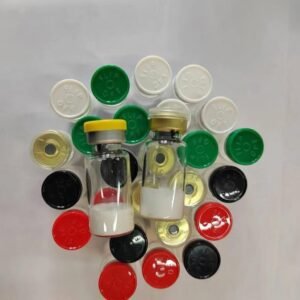
Appearance: White lyophilized powder
-
Storage: Store powder at -20°C in a sealed container, protected from light and moisture
-
Form: Lyophilized powder for research use
Quality Assurance & Testing
Every batch undergoes comprehensive quality control:
-
Synthesis by experienced chemists using solid-phase peptide synthesis
-
Purification via preparative HPLC
-
Analysis using HPLC for purity verification
-
Mass Spectrometry for molecular weight confirmation
-
Packaged in sterile conditions for research use
When you need premium mots-c 10mg for research for your metabolic, mitochondrial, or bioenergetics studies, choose a manufacturer that prioritizes quality, transparency, and reliability. Liaocheng Yixin Company combines expert peptide synthesis capabilities with rigorous quality control to deliver research materials you can trust.
| MOTS-C | 10mg, 40mg |
|---|
Be the first to review “MOTS-C (10mg)”
Related products



Custom Peptides




Reviews
There are no reviews yet.