

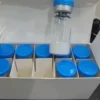

Pal-AHK (200mg) – Premium Palmitoyl Tripeptide-3 for Research
Welcome to Liaocheng Yixin Company, your trusted source for premium pal-ahk 200mg peptide for research. As a specialized peptide synthesis manufacturer operating from our facility in Shandong Province, China, we provide high-quality research compounds for the global scientific community.
Pal-AHK, also known as Palmitoyl Tripeptide-3, is a synthetic lipopeptide consisting of the tripeptide alanine-histidine-lysine (AHK) conjugated to a palmitoyl fatty acid chain . This palmitoyl modification enhances lipophilicity and membrane affinity, supporting interactions within lipid environments such as cell membranes . It is used individually or in combination with other peptides to investigate collagen synthesis, fibroblast activation, and tissue remodeling in laboratory experiments . Our pal-ahk 200mg peptide for research offers investigators a reliable, high-purity compound for advanced dermatological, extracellular matrix, and hair follicle studies. pal-ahk 200mg peptide for research
What is Pal-AHK?
Pal-AHK is a synthetic peptide in which the AHK tripeptide has been linked to a palmitoyl fatty acid molecule . The fatty acid makes AHK more fat-soluble, which may increase its cell penetration and absorption .
Key identifiers:
-
CAS Number: 147732-56-7
-
Molecular Formula: C30H54N6O5
-
Molecular Weight: 578.79 g/mol
-
Synonyms: Palmitoyl Tripeptide-3, Palmitoyl Tripeptide-1, Pal-AHK, Pal-GHK
-
Purity: ≥99% verified by HPLC
Mechanism of Action in Research
Pal-AHK operates through several well-characterized mechanisms that make it a valuable research tool:
Fibroblast Activation and Collagen Synthesis
Pal-AHK is thought to interact with transforming growth factor-β (TGF-β) to activate fibroblasts . Once in the cell, it may stimulate fibroblasts and increase the rate of extracellular matrix (ECM) production in the skin. The ECM is composed of collagen, elastin, glycoproteins, and other macromolecules that provide biochemical and structural support . In cell culture experiments with dermal fibroblasts, AHK derivatives have been associated with elevated collagen type I production, with some reports quantifying up to a ~300% increase in collagen I synthesis under peptide exposure conditions .pal-ahk 200mg peptide for research
VEGF Signaling and Angiogenesis
Pal-AHK may influence the production of vascular endothelial growth factor (VEGF), an important signaling molecule in the production of new blood vessels . By encouraging blood vessel growth, Pal-AHK has demonstrated increased skin rejuvenation and hair growth in animal models . Research suggests that Pal-AHK may modulate VEGF-driven signaling axes, potentially interacting with capillary sprouting or lumen formation .
Matrix Metalloproteinase Regulation
Pal-AHK may modulate the balance of ECM synthesis and degradation by influencing matrix metalloproteinases (MMPs) or their inhibitors (TIMPs) . In particular, Pal-AHK seems to suppress excessive MMP activity in contexts where ECM degradation is pathologically high, such as in fibrotic models or engineered tissue remodeling assays .
Copper Affinity and Cofactor Signaling
A key feature of Pal-AHK is its ability to bind copper ions . The histidine residue in the tripeptide sequence contains an imidazole ring with high affinity for copper. When Pal-AHK binds copper, it forms a complex with distinct biological properties. This copper-binding capacity supports copper-dependent enzymes essential for collagen stability and antioxidant defense .pal-ahk 200mg peptide for research
Antioxidant Action
Pal-AHK may also exhibit anti-oxidative action. Oxidative stress is considered to cause quantitative damage to cells and tissues. By scavenging free radicals, Pal-AHK may prevent or reduce damage and environmental exposure biomarkers, including limiting wrinkle depth and length .
Scientific Research Applications
Pal-AHK has been studied across multiple research domains:
Extracellular Matrix Modulation Research
Pal-AHK is used to investigate ECM regulation, particularly regarding collagen and matrix remodeling. Research indicates that Pal-AHK may stimulate the production of collagen and elastin, two proteins considered essential within the ECM of skin cells . Collagen lends strength and durability to the skin barrier, while elastin supports its elasticity .
Fibroblast and TGF-β Pathway Studies
Pal-AHK is thought to activate fibroblasts by stimulating TGF-β . TGF-β1 is a molecule that supports the formation of new blood vessels and is considered to stimulate the production of extracellular mpal-ahk 200mg peptide for researchatrix components, regulating the inflammatory response . Researchers use Pal-AHK to study these signaling pathways and their role in tissue repair and remodeling.
Hair Follicle Research
Pal-AHK has been studied for potential hair follicle stimulation and scalp health applications . Research suggests AHK-analogs may promote the growth of hair follicles via the proliferation of dermal papilla cells (DPCs) and blocking their apoptosis . Pal-AHK may achieve this by elevating the Bcl-2/Bax ratio and reducing negative growth factors such as cleaved caspase-3 and PARP . The Bcl-2/Bax ratio is considered important in regulating apoptosis, with a higher ratio indicating inhibition of apoptosis and promotion of cell survival .
Vascular Signaling Research
Proper vascularization is critical in tissue engineering, wound healing, and microtissue models. Pal-AHK has been hypothesized to support endothelial cell proliferation or migration by altering receptor activation thresholds or serving as a co-ligand .
Cellular Survival and Stress Response Research
In experimental systems involving dermal papilla cells (or analogous fibroblastic lineage models), AHK has been reported to shift the Bcl-2/Bax ratio toward cell survival and reduce markers of apoptosis, such as cleaved caspase-3 and PARP cleavage . Pal-AHK may be relevant as a modulator of programmed cell death under stress or injury conditions in research .
Why Choose Liaocheng Yixin Company?
When sourcing pal-ahk 200mg peptide for research, quality and reliability are paramount. Here’s why researchers trust us:
Manufacturer-Direct Quality
We are a legitimate, licensed peptide synthesis company with a physical headquarters in Shandong Province, China. Our facility maintains strict quality control standards.
Verified Purity Standards
Every batch undergoes rigorous testing using HPLC analysis. Our Pal-AHK meets ≥99% purity standards . Certificates of Analysis are available upon request.
Research-Grade Specifications
-
Purity: ≥99% verified by HPLC
-
CAS Number: 147732-56-7
-
Molecular Weight: 578.79 g/mol
-
Appearance: White to off-white lyophilized powder
-
Solubility: DMF: 30 mg/ml, DMSO: 10 mg/ml, Ethanol: 30 mg/ml
-
Storage: Store powder at -20°C in a sealed, desiccated container, protected from light and moisture
- pal-ahk 200mg peptide for research
Quality Assurance & Testing
Every batch undergoes comprehensive quality control:
-
Synthesis by experienced chemists using solid-phase peptide synthesis
-
Purification via preparative HPLC
-
Analysis using HPLC for purity verification
-
Mass Spectrometry for molecular weight confirmation
-
Packaged under sterile conditions for research use
- pal-ahk 200mg peptide for research
: What is Pal-AHK and how does it work in research?
A: Pal-AHK is a palmitoyl-modified tripeptide (alanine-histidine-lysine) designed to stimulate collagen synthesis and support tissue repair through fibroblast activation and TGF-β pathway modulation . The palmitoyl modification increases lipophilicity and membrane affinity, supporting interactions within cell membranes and enhancing cell penetration .
: What are the key research applications for Pal-AHK?
A: Pal-AHK is used in extracellular matrix modulation research (collagen and elastin production), fibroblast and TGF-β pathway studies, hair follicle research (dermal papilla cell studies), vascular signaling research (VEGF modulation), and cellular survival and stress response investigations .
: What is the copper-binding significance of Pal-AHK?
A: The histidine residue in the AHK sequence contains an imidazole ring with high affinity for copper. When Pal-AHK binds copper, it forms a complex that supports copper-dependent enzymes essential for collagen stability (lysyl oxidase) and antioxidant defense (superoxide dismutase) .
: What purity level can I expect?
A: All batches are tested to ensure ≥99% purity by HPLC analysis. Certificates of Analysis are available upon request .
: Is this product for human use?
A: No. Our Pal-AHK is manufactured strictly for research use only (RUO). It is not intended for human consumption or clinical applications.
When you need premium pal-ahk 200mg peptide for research for your extracellular matrix, fibroblast, or tissue regeneration studies, choose a manufacturer that prioritizes quality, transparency, and reliability. Liaocheng Yixin Company combines expert peptide synthesis capabilities with rigorous quality control to deliver research materials you can trust. pal-ahk 200mg peptide for research
Be the first to review “Pal-AHK (200mg)”
Related products
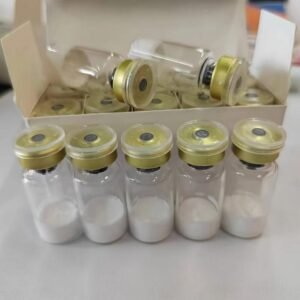

Custom Peptides
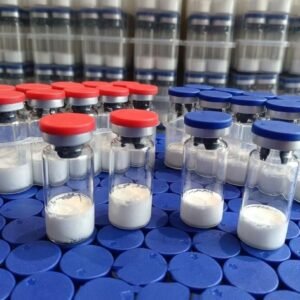
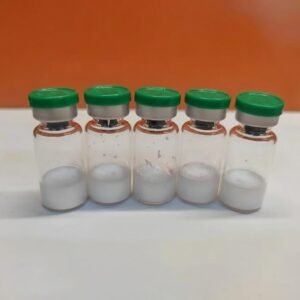
Custom Peptides

Custom Peptides
Reviews
There are no reviews yet.