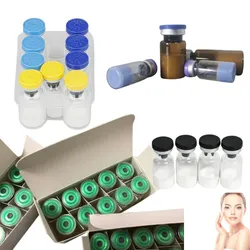


NAD+ – Premium Research Grade Coenzyme
Welcome to Liaocheng Yixin Company, your trusted source for premium NAD+ for research. As a specialized peptide synthesis manufacturer operating from our facility in Shandong Province, China, we provide high-quality research compounds for the global scientific community.
NAD+ (Nicotinamide Adenine Dinucleotide) is a coenzyme found in every living cell, playing an essential role in cellular energy production, DNA repair, and metabolic regulation . Recent research has positioned NAD+ at the forefront of aging and metabolic science, with preclinical studies showing promising results across multiple disease models . Our NAD+ for research offers investigators a reliable, high-purity compound for bioenergetics, mitochondrial function, and age-related studies.
What is NAD+?
NAD+ is a molecule composed of two nucleotides joined through phosphate groups, serving as a critical coenzyme in redox reactions and a substrate for enzymes including sirtuins and PARPs . It functions as an electron carrier, accepting electrons during metabolic reactions and transporting them to the mitochondria for ATP production . NAD+ levels naturally decline approximately 50% between ages 20 and 60, contributing to age-related mitochondrial dysfunction .
Key Identifiers:
-
CAS Number: 53-84-9
-
Molecular Formula: C21H27N7O14P2
-
Molecular Weight: 663.43 g/mol
-
Synonyms: β-Nicotinamide Adenine Dinucleotide, DPN, Coenzyme I
-
Purity: ≥99% verified by HPLC
Mechanism of Action in Research
NAD+ serves as a central metabolic cofactor with several distinct research-relevant functions:
Energy Metabolism & Redox Reactions
NAD+ functions as an electron carrier in redox reactions, alternating between its oxidized (NAD+) and reduced (NADH) forms . This shuttling role is critical for glycolysis, the Krebs cycle, and oxidative phosphorylation—pathways researchers investigate in mitochondrial bioenergetics studies . In vitro studies have demonstrated that NAD+ supplementation can restore cellular metabolic activity in NAD-depleted models .
Sirtuin Activation
NAD+ serves as the rate-limiting substrate for sirtuins (SIRT1–SIRT7), a family of enzymes involved in DNA repair, gene silencing, and metabolic regulation . Sirtuins are believed to be key mediators of calorie restriction effects on lifespan, making them a major focus of aging research . By serving as a substrate for these enzymes, NAD+ plays a critical role in connecting cellular energy status to longevity pathways.
DNA Repair
NAD+ is consumed by poly(ADP-ribose) polymerases (PARPs), enzymes that detect and repair DNA damage . PARPs use NAD+ to synthesize poly(ADP-ribose) chains on damaged DNA, marking it for repair. This process is one reason NAD+ levels decline with age—increased DNA damage leads to higher PARP activation and NAD+ consumption.
Scientific Research Applications
NAD+ is a well-established research tool with the following applications:
Aging & Longevity Research
This is the most prominent NAD+ research area. Scientists use NAD+ to study mitochondrial dysfunction and cellular aging, and to test whether NAD+ restoration impacts lifespan or healthspan . While animal models show promise for improved insulin sensitivity and cardiovascular health, clinical translation has been more challenging, and lifespan extension studies in mice have shown mixed results .
Metabolic & Bioenergetics Studies
In cell culture models, NAD+ is employed to study fuel oxidation, mitochondrial function, and metabolic efficiency. Its role as an electron carrier makes it a standard reagent in metabolic assays .
Neurodegeneration Research
NAD+ is used in experimental models of neurodegenerative diseases such as Alzheimer’s and Parkinson’s, largely due to its role in energy metabolism, DNA repair, and sirtuin activation . Research in animal models suggests potential neuroprotective effects, though human data remains limited .
Cardiovascular Research
Because heart cells are highly energy-dependent, researchers are investigating NAD+ in cardiovascular health models . Preclinical evidence suggests it may support cellular function in cardiovascular systems, though rigorous human trials are needed.
Why Choose Liaocheng Yixin Company?
When sourcing NAD+ for research, quality and reliability are paramount. Here’s why researchers trust us:
Manufacturer-Direct Quality
We are a legitimate, licensed peptide synthesis company with a physical headquarters in Shandong Province, China. Our facility maintains strict quality control standards.
Verified Purity Standards
Every batch undergoes rigorous testing using HPLC analysis. Certificates of Analysis are available upon request.
Research-Grade Specifications
-
Purity: ≥99% verified by HPLC
-
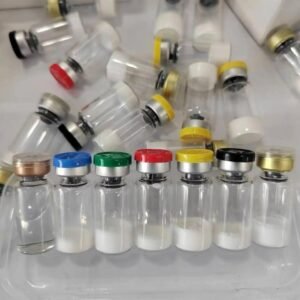
Appearance: White to off-white powder
-
Solubility: Soluble in water and PBS
-
Storage: Store powder at -20°C, protected from light and moisture
Quality Assurance & Testing
Every batch undergoes comprehensive quality control:
-
Synthesis by experienced chemists
-
Purification via HPLC
-
Analysis using HPLC for purity verification
-
Mass Spectrometry for molecular weight confirmation
-
Packaged in sterile, light-protected conditions
When you need premium NAD+ for research for your bioenergetics, metabolic, or aging studies, choose a manufacturer that prioritizes quality, transparency, and reliability. Liaocheng Yixin Company combines expert synthesis capabilities with rigorous quality control to deliver research materials you can trust.
| NAD+ | 100mg, 500mg, 1000mg |
|---|
Be the first to review “NAD+”
Related products
Custom Peptides
Custom Peptides

Reviews
There are no reviews yet.